
Green Card Rules are changing as the United States introduces a new immigration policy requiring most applicants seeking permanent residency to apply outside the country through embassies and consulates.
The United States has announced major changes to immigration procedures that could affect thousands of individuals seeking permanent residency. Under the new Green Card Rules, many immigrants who previously could apply while staying inside the country may now be required to leave the United States and complete their application process from abroad.
The policy represents another significant immigration change and has already generated discussion among immigration experts, families, employers, and advocacy groups.
The new Green Card Rules are expected to affect temporary workers, students, tourists, and others hoping to transition to permanent residency.
According to the official USCIS Consular Processing guidelines, applicants outside the United States must complete immigrant visa processing through a US embassy or consulate before receiving permanent residency status.
Green Card Rules Change Immigration Process
Under the updated Green Card Rules, individuals who are living in the United States under temporary status may no longer automatically continue their green card process from inside the country.
Instead, many applicants will need to complete a process known as consular processing.
This means applicants would need to:
- Leave the United States
- Return to their home country
- Visit a US embassy or consulate
- Complete required interviews
- Continue the immigration process abroad
Officials say certain exceptional cases may still qualify for alternative consideration.
However, the new Green Card Rules indicate that these situations would likely be limited.
Green Card Rules Aim to Reduce Immigration Loopholes
Government officials say the updated Green Card Rules are intended to strengthen immigration procedures and reduce opportunities for individuals to remain in the country unlawfully.
According to officials, processing applications through embassies and consulates may help immigration agencies better manage cases and improve overall efficiency.
Supporters of the policy argue that requiring applicants to follow a structured process outside the country aligns with existing immigration law.
Officials also believe the change may reduce situations where individuals overstay temporary visas after being denied permanent residency.
The Green Card Rules are being presented as part of broader efforts to increase oversight within the immigration system.
Green Card Rules Raise Family Concerns
While supporters argue the policy improves immigration procedures, critics have raised concerns about the practical effects of the updated Green Card Rules.
Some immigration experts believe the changes could create challenges for families and employers.
Concerns include:
- Family separation during processing periods
- Delays in application timelines
- Increased uncertainty for workers
- Potential difficulties returning to the United States
- Disruptions to long-term plans
Because immigration applications often require significant processing time, temporary departures could become difficult for some individuals.
Some experts suggest that the Green Card Rules may create additional uncertainty for people already waiting within the immigration system.
Green Card Rules May Affect Large Numbers of Applicants
Immigration specialists estimate that large numbers of applicants could potentially feel the effects of the new Green Card Rules.
The permanent residency process already involves multiple steps and often requires substantial waiting periods.
The process commonly includes:
- Eligibility reviews
- Background checks
- Documentation requirements
- Interviews
- Government approvals
Because many applications remain pending for extended periods, questions continue surrounding how ongoing cases may be handled.
Officials have indicated that some applicants who provide economic value or serve national interests could potentially continue through existing pathways.
However, decisions may depend heavily on individual circumstances.
Green Card Rules Could Shape Future Immigration Trends
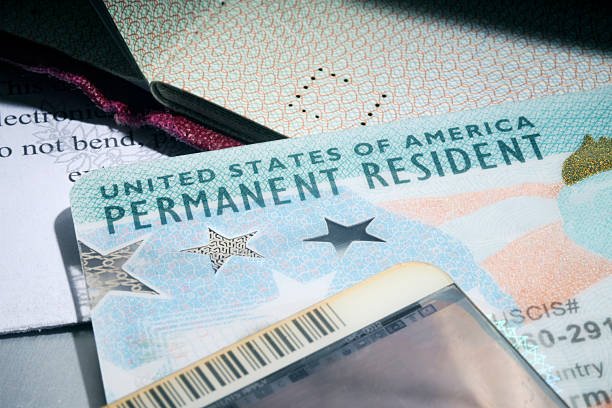
The updated Green Card Rules may also influence broader immigration trends in the future.
Employers, educational institutions, and families often rely on predictable immigration procedures for planning purposes.
Changes involving residency applications can affect:
- Workforce planning
- International hiring
- Student opportunities
- Family relocation decisions
- Long-term immigration strategies
Experts believe additional guidance may emerge as implementation continues.
The new Green Card Rules represent an important shift in how many applicants may pursue permanent residency in the United States.
While supporters view the changes as a way to strengthen immigration procedures and improve enforcement, critics warn that families and employers could face increased uncertainty.
As implementation moves forward, many individuals will likely watch closely to understand how these Green Card Rules may affect their future plans and immigration opportunities.
RELATED ; Trump Criticizes NATO After Tense White House Meeting With Alliance Chief