Trump Inflation Comments Spark Debate as U.S. Prices Rise at Fastest Pace in Three Years

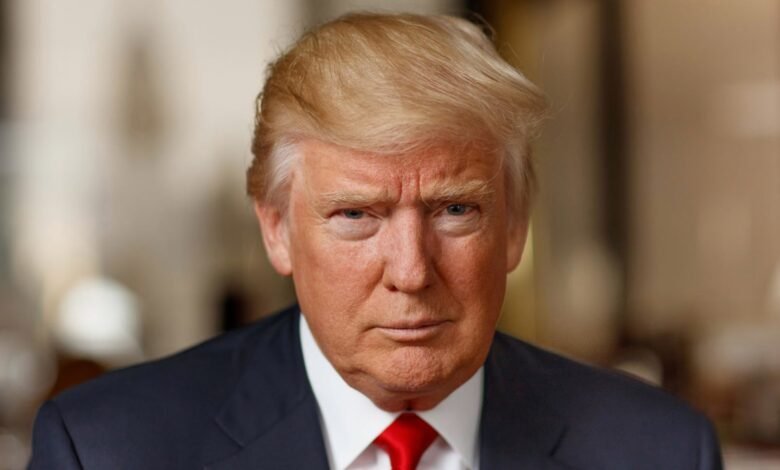
Trump Inflation Comments draw attention after the U.S. inflation rate climbed to its highest level in three years, driven by rising energy costs and ongoing tensions in the Middle East.
Trump Inflation Comments Spark Debate as U.S. Prices Rise at Fastest Pace in Three Years
President Donald Trump is facing renewed scrutiny after remarks about inflation drew widespread attention following the release of new economic data showing U.S. consumer prices rising at their fastest pace in three years.
According to the latest figures from government economists, inflation accelerated in May, fueled largely by higher energy costs and continued instability in global oil markets.
The increase comes as ongoing tensions in the Middle East continue to impact energy supplies and create uncertainty for consumers and businesses alike.
Trump Inflation Comments Draw Public Attention
Speaking at the White House after the latest inflation report was released, Trump made comments that quickly became a topic of discussion across political and financial circles.
Critics argued that the remarks appeared to downplay concerns about rising living costs, while supporters said the president was emphasizing that inflation had not risen as much as some analysts expected.
Trump later clarified his statement, explaining that he was referring to the inflation figures performing better than anticipated under difficult global circumstances.
The president argued that economic conditions could improve significantly once geopolitical tensions ease.
Inflation Reaches Highest Level in Three Years
New economic data showed that consumer prices increased by 4.2% over the previous 12 months.
The latest reading marked the third consecutive month of rising inflation and represented the fastest annual increase since 2023.
Factors Driving Higher Prices
Several factors contributed to the increase, including:
- Higher fuel prices
- Rising energy costs
- Increased transportation expenses
- More expensive healthcare services
- Higher travel and airline costs
- Growing communication and recreation expenses
Economists noted that energy prices played a particularly significant role in the latest inflation surge.
Oil Prices Remain a Major Concern
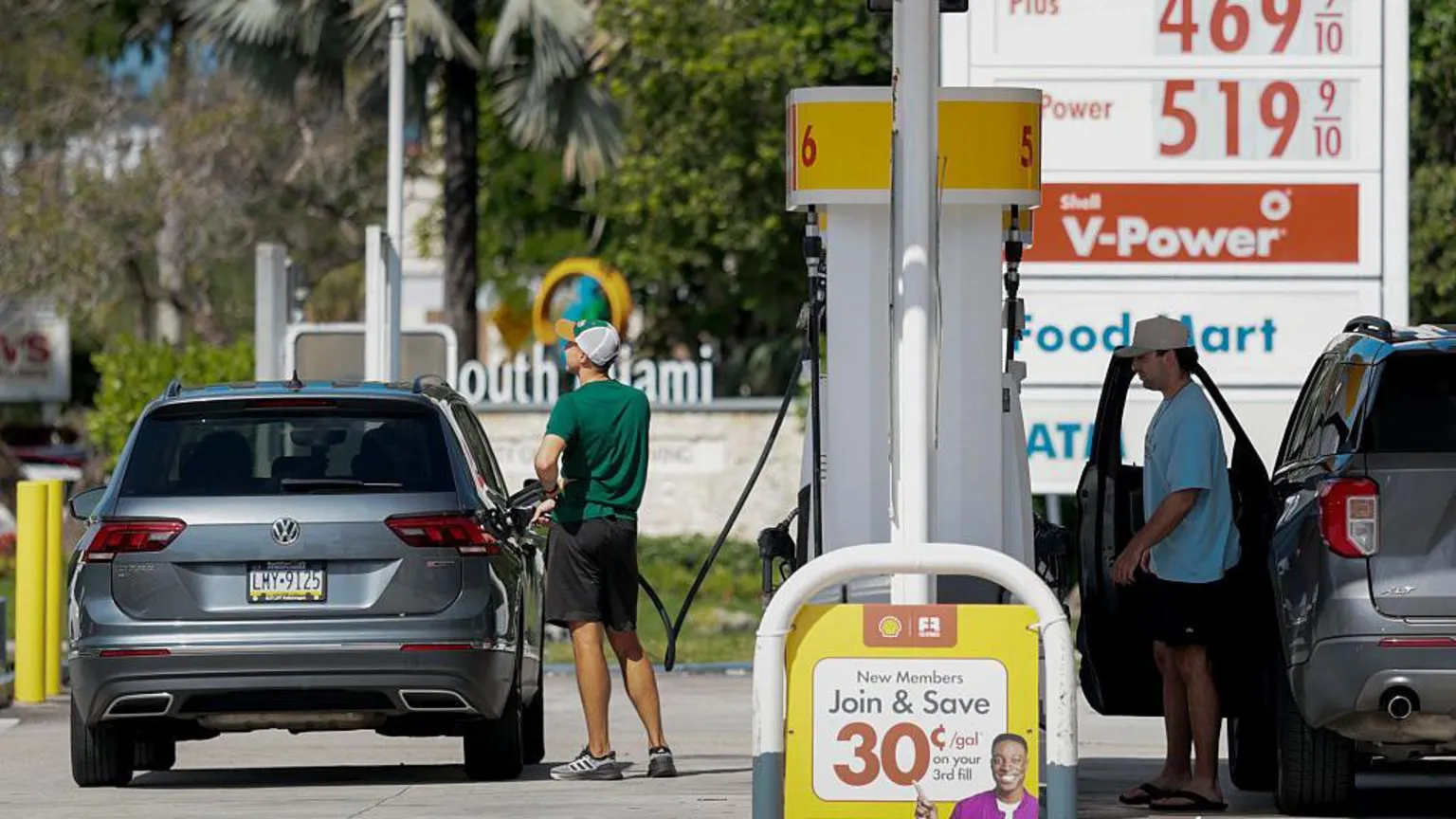
Global energy markets have experienced increased volatility in recent months.
Supply disruptions and geopolitical tensions have pushed oil prices higher, affecting everything from transportation to manufacturing and household expenses.
The Strait of Hormuz, one of the world’s most important shipping routes for oil and gas, remains a major focus for energy analysts.
Any disruption to the flow of energy supplies through the region can quickly impact fuel prices around the world.
Impact on American Consumers
Higher fuel costs often have a ripple effect throughout the economy.
Consumers may experience:
- Increased gasoline prices
- Higher transportation costs
- More expensive goods and services
- Rising utility bills
- Increased business operating expenses
Many households are already adjusting their budgets as costs continue to rise.
Political Challenges Ahead
Inflation remains one of the most closely watched economic indicators in the United States.
With voters continuing to rank the economy among their top concerns, rising prices could become a major issue in upcoming political debates.
The Trump administration has maintained that inflation pressures are temporary and tied largely to global events rather than domestic economic weaknesses.
Opposition leaders, however, have argued that the administration must do more to address the impact of rising costs on everyday Americans.
Federal Reserve Faces Difficult Decisions
The latest inflation data also places additional pressure on the U.S. Federal Reserve.
The central bank’s long-term inflation target remains around 2%, meaning current inflation levels are still significantly above its preferred range.
Interest Rate Decisions Under Focus
When inflation remains elevated, central banks often consider raising interest rates to slow spending and reduce price pressures.
Higher interest rates can:
- Increase borrowing costs
- Slow economic activity
- Reduce consumer spending
- Help control inflation
Financial markets are now closely monitoring upcoming Federal Reserve meetings for signals about future policy decisions.
Many economists believe officials will proceed cautiously while evaluating additional economic data.
Economic Outlook Remains Uncertain
Experts remain divided on how quickly inflation could return to more stable levels.
Some analysts believe easing geopolitical tensions could help lower energy prices and reduce inflationary pressure in the coming months.
Others warn that supply chain disruptions and global energy market uncertainty could continue affecting prices well into the future.
As a result, businesses, investors, and consumers are closely watching developments in both the economy and international affairs.
Final Thoughts
The Trump Inflation Comments have added another layer of debate to an already challenging economic environment. With inflation reaching its highest level in three years, concerns about energy costs, interest rates, and consumer spending remain at the forefront of public discussion.
As policymakers, businesses, and households respond to changing economic conditions, future inflation reports will likely play a major role in shaping both economic policy and political conversations in the months ahead.
Trump has been on the news for all the reasons lately as he was recently booed at his nba appearance