

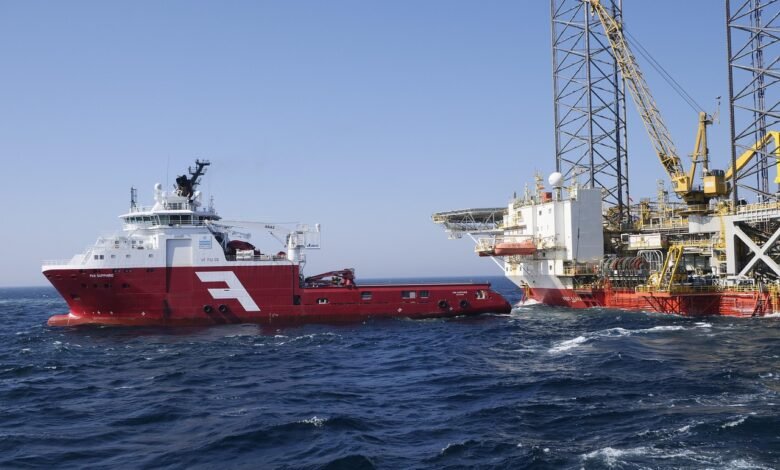
Global oil prices rise sharply after the United States announces plans to restrict Iranian shipping in the Strait of Hormuz, raising concerns over supply and market stability.
Introduction: Rising Tensions Shake Global Oil Markets
Global oil markets experienced a sharp increase in prices following reports that the United States is preparing to enforce restrictions on shipping linked to Iran in the strategic Strait of Hormuz.
This development has raised fresh concerns about the stability of global energy supply and the potential for further escalation in ongoing geopolitical tensions.
⛽ Oil Prices Climb Rapidly
Oil prices surged significantly at the start of the week, reflecting growing uncertainty in global markets.
- Brent crude, the international benchmark, rose sharply to over $100 per barrel
- U.S. benchmark crude also recorded strong gains, climbing above $100
These increases represent a major jump compared to pre-conflict levels, highlighting how sensitive energy markets are to geopolitical developments.
🚢 US Plans to Restrict Iranian Maritime Activity
According to statements from the United States Central Command, naval forces are set to begin restricting maritime traffic connected to Iranian ports.
The move is aimed at limiting Iran’s ability to export oil, while still allowing ships traveling to non-Iranian destinations to pass through the region.
The Strait of Hormuz is one of the most important oil transit routes in the world, making any disruption there a major global concern.
⚔️ Growing Conflict and Failed Negotiations
The decision comes after recent diplomatic efforts between the United States and Iran failed to produce an agreement to ease tensions.
As a result:
- The risk of further escalation has increased
- The current ceasefire situation may be tested
Iran has also indicated that it may respond to any military actions affecting its shipping routes, adding another layer of uncertainty.
🌐 Global Impact and Market Reactions
The potential blockade has sparked concerns among analysts and economists. Experts warn that this situation could lead to:
- Reduced global oil supply
- Higher fuel prices worldwide
- Increased volatility in financial markets
Stock markets have already shown signs of nervousness, with major indexes in the United States, Europe, and Asia reacting cautiously.
💰 Economic Pressure on Iran
Limiting Iran’s oil exports could significantly impact its economy. Oil remains a major source of revenue for the country, contributing a substantial portion to its national income.
Cutting off or reducing these exports could:
- Weaken government funding
- Affect military operations
- Increase internal economic pressure
However, Iran has reportedly maintained strong export levels in recent months, particularly to key international buyers.
⚠️ Risks of Escalation
Experts warn that the situation could quickly escalate depending on how enforcement unfolds.
Key concerns include:
- Possible confrontations at sea
- Impact on international shipping
- Reactions from other global powers involved in oil trade
Any aggressive action in such a critical region could have far-reaching consequences beyond the immediate conflict.
🔮 What This Means for the World
The Strait of Hormuz plays a vital role in global energy supply, with a significant portion of the world’s oil passing through it daily.
Any disruption in this area can:
- Drive up fuel costs globally
- Affect businesses and transportation
- Slow economic growth
As tensions continue, governments and markets will be watching closely to see how the situation develops.
🧠 Final Thoughts
The recent surge in oil prices highlights how closely global markets are tied to geopolitical events. The United States’ move to restrict Iranian shipping adds a new layer of complexity to an already tense situation.
While the full impact remains uncertain, one thing is clear: developments in the Strait of Hormuz will continue to influence global energy markets and economic stability in the coming weeks.