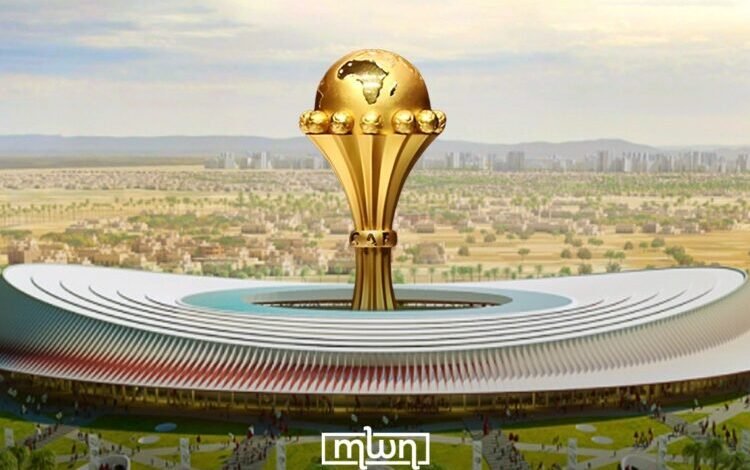
Rabat – As Morocco prepares to host the 2025 Africa Cup of Nations, the focus is not only on football but also on how the tournament can support the country’s wider tourism goals.
Officials see AFCON as more than a sporting event, describing it as a chance to strengthen Morocco’s position as a global destination.
Tourism Roadmap and Rising Visitor Numbers
The competition is part of the national Tourism Roadmap 2023–2026, which aims to improve infrastructure, raise service quality, diversify destinations, and attract sustainable investment. Authorities say AFCON will accelerate this plan rather than stand apart from it.
Tourism numbers show the sector is already on solid ground. By late 2025, Morocco had welcomed about 18 million visitors, surpassing expectations and putting the country ahead of the roadmap’s target of 17.5 million by 2026.
The summer season confirmed the trend, with 4.6 million tourists in July and August, a 6 percent increase compared to the previous year.
These results came before the start of AFCON, suggesting Morocco entered the tournament with strong momentum. The event is expected to add further visibility, attract new visitors, and underline Morocco’s ability to host large international gatherings.
For officials, the goal is clear: use AFCON 2025 not just to fill hotels during the competition, but to build lasting confidence in Morocco’s tourism sector.
The hope is that the tournament will leave a long‑term legacy, reinforcing the country’s reputation as one of the leading destinations in Africa and beyond.
AFCON 2025 is expected to give Morocco major international exposure. Ticket sales have already passed 800,000, with several matches sold out. Large crowds in host cities will bring visibility that is hard to achieve through traditional tourism campaigns.
SMIT’s strategy to prevent ‘White Elephant’ Projects.”
For the Moroccan Agency for Tourism Engineering (SMIT), the tournament is more than a sporting event. Director General Imad Barrakad says the goal is to use AFCON’s global reach to build investor confidence and strengthen Morocco’s tourism sector in the long run.
In recent years, both public and private actors have worked to improve quality rather than just expand capacity.
Hotels have been renovated, new dining concepts showcasing Moroccan gastronomy have been introduced, and leisure options such as entertainment zones have been developed. These projects are designed to remain viable after the tournament, helping modernize the sector.
One common risk with major events is “white elephant” infrastructure, stadiums or facilities left unused once the competition ends.
Moroccan planners say they are addressing this by linking AFCON investments to broader city development. Stadiums, transport upgrades, cultural routes, and urban regeneration projects are being integrated into long‑term strategies to benefit local economies.