Bulgaria’s government has resigned just weeks before the country is due to join the eurozone.
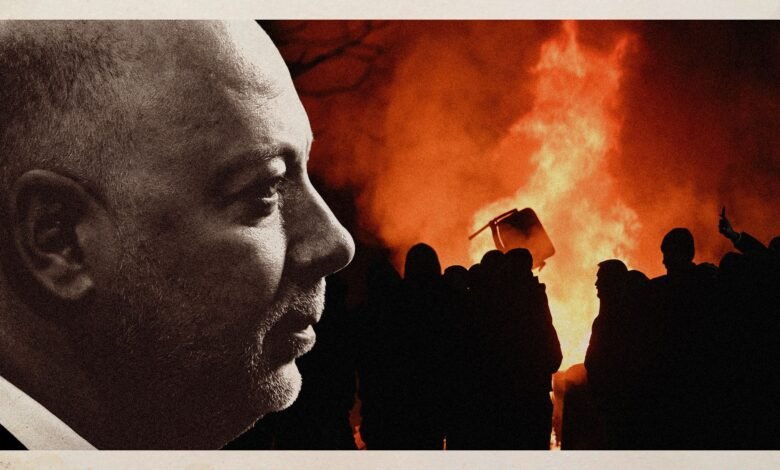
Prime Minister Rosen Zhelyazkov stepped down after “tens, or perhaps hundreds, of thousands” of Bulgarians “thronged” the centres of cities across the country, accusing the government of widespread corruption, said TVP World.
Growing resentment
The “wave of street protests” has destabilised Bulgaria as the country is preparing to join the euro on 1 January, said Bloomberg. This “should be a moment for celebration” but it has “exposed a growing sense of resentment”, especially among younger people, that the European Union has “failed to deliver on a promise of improved rule of law”.
The Week
Escape your echo chamber. Get the facts behind the news, plus analysis from multiple perspectives.
Adding the EU’s “poorest nation” to the single currency area before it’s “delivered on basics like the rule of law” is “a move opponents of enlargement will be ready to exploit”. This could “hurt the bloc’s entire geopolitical strategy since eventual membership for Ukraine is fundamental to restoring stability on its eastern borders”.
As “rapprochement moves apace at the top level”, the reality of euroscepticism “shows little sign of abating at the grassroots level or in national party politics”, said Yuxiang Lin on The Conversation. “Protests calling for Bulgaria to stick with its national currency have sprung up” and a poll in May showed that nearly 40% of the population are against joining the euro.
There’s already plenty of opposition to the EU. Although the bloc has “channelled €16.3 billion” into Bulgaria since it joined in 2007, the capital Sofia has been the “main benefactor of this investment”, with “small municipalities” and “rural communities” not feeling the benefit as “clearly”.
Europe “still feels far away” for many Bulgarians and joining the eurozone is “more likely to benefit” people in Sofia because they “do business abroad”, rather than “older people living local lives” in smaller, more rural areas.
A free daily email with the biggest news stories of the day – and the best features from TheWeek.com
Brexit moment?
The recent protests in Bulgaria have been “widely portrayed online as an anti-EU uprising”, political scientist Dr Spasimir Domaradzki told TVP World, but “the people on the streets are the most fervent supporters of European integration”. Rather than being a Bulgarian “Brexit moment”, the protests are another chapter in a long struggle over who controls the state, he said.
Despite the “political drama in Sofia”, Bulgaria’s “move to join the euro is not seen as under threat”, said the BBC. European economic leaders told Bulgarians that the euro is "more than just a currency: it’s a geopolitical insurance policy in a fragmenting world”, said Politico.